Black History American History Flag Review
As a designer who has spent years translating digital concepts into tangible thread, I approach every new asset with a critical eye. When I first opened the file for the Black History American History Flag, my immediate goal was to determine if it held up under the scrutiny of real-world application. This isn't just about how it looks on a screen; it is about how it behaves when stitched onto fabric, how it interacts with light and texture, and whether it elevates a handmade product or complicates the production process. For those of us running craft businesses, Etsy shops, or boutique apparel lines, the difference between a good design and a great one often lies in these practical details.
First Impressions: Mood and Visual Weight
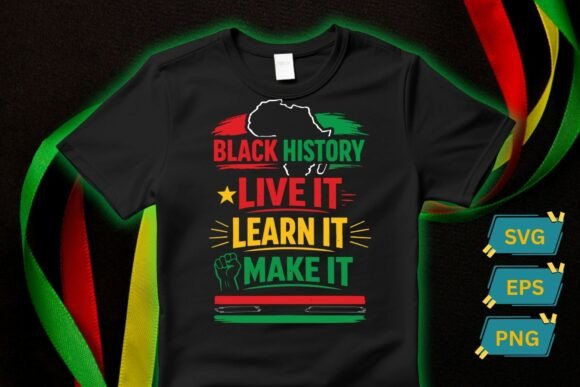
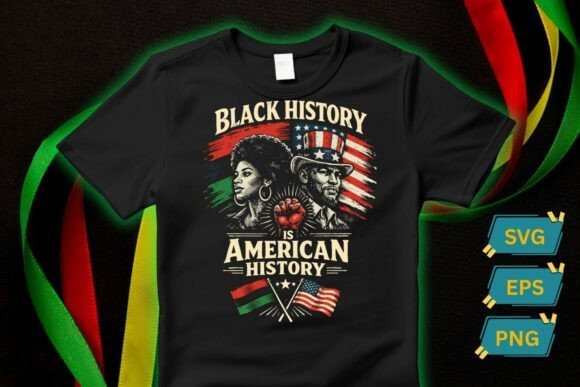
The initial visual impact of the Black History American History Flag is powerful. It blends the structural familiarity of a flag with the rich symbolism of Pan-African heritage and the African map. The layout feels balanced, avoiding the clutter that often plagues complex historical designs. There is a sense of empowerment and equality embedded in the composition that translates well visually. However, as an embroidery professional, I immediately began analyzing the line work and fill areas. Does the detail level support a clean stitch? Can the intricate elements of the Africa map hold their shape without bleeding into adjacent sections?
This design clearly belongs in the category of statement pieces. It is not a subtle accent; it is a focal point intended to spark conversation. Whether used for Black History Month, Juneteenth celebrations, or year-round cultural appreciation, the graphic carries significant emotional weight. This makes the execution of the machine embroidery design critical. If the stitching is sloppy, the message loses its dignity. If executed perfectly, it becomes a badge of pride for the wearer.
A Real-World Scenario: The Custom Sweatshirt Project
To truly test this asset, I imagined a specific client project: a limited run of heavyweight cotton sweatshirts for a local community center's fundraising event. The goal was to create high-quality, durable merchandise that honored civil rights history while generating funds. I visualized placing the Black History American History Flag on the left chest area of a charcoal gray sweatshirt.
In this scenario, the choice of thread colors becomes paramount. The contrast between the dark fabric and the vibrant threads representing the Pan-African palette would need to be sharp. I found myself mentally adjusting the stitch density to ensure the design didn't pucker the thick fleece material. A common pitfall with dense graphics like this is over-stabilizing, which can make the garment stiff and uncomfortable. Conversely, under-stabilizing could lead to distortion around the curved edges of the map. In a commercial setting, where customer trust relies on the quality of the finished product, getting this balance right is non-negotiable.
I also considered how customers might react. A person wearing this custom apparel is making a statement. They expect the embroidery to look professional, crisp, and intentional. If the running stitch outlining the flag appears jagged or if the fill stitch in the background shows gaps, the perceived value of the item drops instantly. For an Etsy seller or small shop owner, the visual appeal directly correlates to sales velocity and brand reputation.
Navigating Fabric and Hoop Challenges
While the design is versatile, there are specific situations where caution is required. The Black History American History Flag contains detailed corners and potentially tiny lettering depending on the specific variation of the file. These elements are risky on textured fabrics like corduroy or heavy denim, where the needle may struggle to penetrate consistently, leading to skipped stitches or uneven tension.
Furthermore, consider the hoop size. If you attempt to stitch this design on a small hoop, you risk distorting the proportions of the flag and the map. Always verify that your machine's workspace accommodates the full dimensions of the design without re-hooping, which can cause alignment errors. For stretchy fabrics like jersey knit, which are popular for t-shirt designs, the use of a tear-away or cut-away stabilizer is essential to prevent the design from warping after washing.
Dark fabrics present another challenge. While they offer a striking backdrop, they require precise thread color selection to avoid the "muddy" look that occurs when insufficient layers of thread cover the base fabric. I recommend testing the design on scrap fabric first, specifically comparing light and dark backgrounds to see how the thread colors pop. This simple step can save hours of rework and wasted materials.
Practical Notes for the Professional Designer
If you are planning to incorporate the Black History American History Flag into your business workflow, keep these practical tips in mind:
- Test Before You Sell: Always run a test stitch on a scrap piece of the exact fabric you intend to use. Check for puckering, especially in dense areas of the flag.
- Review Stitch Density: Ensure the fill stitch is tight enough to hide the fabric but loose enough to allow flexibility. Dense areas may need trimming of backing stabilizers to maintain softness.
- Inspect Small Details: Zoom in on the digital preview to check for any tiny lines that might disappear during stitching. If the design includes text, ensure it remains legible at the intended size.
- Mockup Variations: Create printable mockups showing the design on different products, such as embroidered patches, tote bags, and pillow covers. This helps visualize the scale and placement before committing to production.
- Licensing Compliance: As a digital product seller or commercial embroiderer, confirm the licensing terms. Ensure you have the right to sell finished items featuring this digital embroidery file or if it is restricted to personal use only.
Expanding Your Product Line
Beyond sweatshirts, this graphics asset opens doors for various handmade products. Imagine an embroidered patch version attached to a denim jacket or a canvas tote bag design for a book club focused on African American literature. The versatility extends to home decor as well; a pillow cover featuring this design could serve as a meaningful centerpiece for a living room, celebrating culture and heritage.
For parents looking for personalized gifts, a smaller version could work beautifully on a baby blanket or nursery decor, teaching the next generation about their roots early on. However, remember that baby items require softer stabilizers and hypoallergenic threads to ensure comfort against sensitive skin. The Black History American History Flag must maintain its integrity without becoming abrasive.
When preparing for holiday seasons, this design fits naturally into collections centered on empowerment and equality. It works well as a holiday embroidery item that stands out from typical seasonal motifs. By offering unique, culturally significant designs, you differentiate your craft business from competitors selling generic patterns.
Final Verdict on Commercial Viability
Ultimately, the Black History American History Flag is a strong contender for any serious apparel decorator or creative entrepreneur. Its ability to convey a powerful message through a recognizable format makes it a valuable addition to your library of design assets. However, its success depends entirely on your attention to detail during the embroidery process.
Do not rush the setup. Take the time to adjust your machine embroidery design settings for the specific fabric and thread combination you are using. Pay close attention to the applique design techniques if the file supports them, as layering can add depth and professionalism. Remember that your customers are buying more than just a shirt; they are investing in a representation of their identity and values. Delivering a high-quality finished product builds lasting trust and encourages repeat business.
Whether you are a hobbyist creating gifts for friends or a small shop owner scaling up for a large order, treating this design with the respect and technical care it deserves will result in a stunning outcome. The Black History American History Flag has the potential to be a cornerstone of your collection, provided you approach it with the expertise and foresight that professional embroidery demands.