BOO-yah: A Designer's Take on This Halloween Lettering
As someone who has spent years curating digital assets for a small craft business, I approach every new machine embroidery design with a mix of excitement and skepticism. The market is flooded with generic clip art that looks great on a screen but falls apart under the needle. When I first loaded the BOO-yah file into my digitizing software, I wasn't just looking for a spooky graphic; I was evaluating whether this embroidery file could survive the transition from a digital preview to a tangible, high-quality finished product. The result? A surprisingly versatile piece that brings genuine personality to Halloween themed crafts.
First Impressions: Visual Weight and Mood
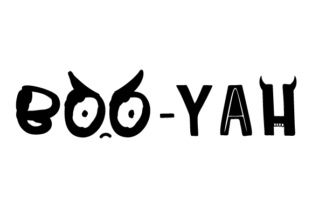
The immediate appeal of BOO-yah lies in its bold, playful typography. Unlike many lettering designs that rely on excessive flourishes or overly thin lines that risk breaking during stitching, this design strikes a balance between whimsy and structural integrity. The "funny" aspect mentioned in the description comes through in the slight bounce of the letters, which suggests movement and energy rather than static text. For an Etsy seller or boutique owner, visual personality is currency. Customers don't just want a word stitched on fabric; they want a vibe. BOO-yah delivers a mood that is festive without being scary, making it perfect for a wide demographic, from kids' parties to adult novelty gifts.
From a technical standpoint, the curves are smooth, which is critical for maintaining clean satin stitch edges. Sharp angles often cause thread bunching, but the rounded nature of this lettering suggests it will flow well through most commercial and home machines. The spacing between the characters appears generous enough to prevent thread bridging, a common issue when stitching dense text on textured fabrics.
Real-World Application: From Screen to Sweatshirt
To truly test the utility of BOO-yah, I visualized it on a few specific projects I’ve been planning for the upcoming season. Imagine a heavy-weight black cotton sweatshirt intended for a local costume party. Placing this design on the chest creates an instant focal point. Because the lettering is distinct, it would likely pop against dark fabric if paired with bright orange or neon green thread colors. However, the true test of any design is how it handles different garment types.
I also considered using BOO-yah as an embroidered patch design. Patches require high durability and clear definition. The solid forms of the letters mean that even after cutting out the backing, the design should remain recognizable. This makes it an excellent candidate for custom apparel like denim jackets or canvas tote bags. For a tote bag design, the scale of the lettering allows for a large hoop size, ensuring that the details aren't lost in the weave of the canvas. If you are selling these as holiday gifts, the ability to place this on a sturdy item adds perceived value compared to a simple printed sticker.
For those focusing on baby embroidery, the playful tone works well on onesies or bibs, provided the stabilizer is chosen carefully to prevent puckering on soft knit fabrics. It’s also worth noting that this design fits perfectly into the category of digital product sellers who offer mockups. A clean printable mockup featuring BOO-yah on a pumpkin pillow cover or a kitchen towel can drive significant engagement on social media, showcasing exactly how the handmade product will look in a home setting.
Navigating Challenges: Where Caution is Key
While BOO-yah is robust, no design is universally perfect without proper execution. As a reviewer, I must highlight where this embroidery project requires extra attention. First, consider the hoop size. While the design is flexible, shrinking it too much for a 4x4 inch hoop could compromise the legibility of the lettering. Tiny text often suffers from stitch density issues, leading to a muddy appearance. Always check the minimum recommended size before scaling down.
Fabric texture is another variable. On highly textured materials like fleece or chenille, the fill stitch areas might not lay completely flat. In such cases, using a cutaway stabilizer is non-negotiable to support the weight of the threads. Similarly, if you plan to use this on stretchy knits, ensure your hooping technique prevents distortion. The design itself is forgiving, but the fabric can be unforgiving.
Another consideration is color contrast. While the design looks great in orange, placing light-colored thread on a white background might lack the punch needed for a commercial embroidery piece. I always recommend testing the design in black and white mockups first to gauge the silhouette's strength before committing to expensive thread packs. Additionally, if you are creating personalized products where names are added below, ensure the baseline of BOO-yah aligns well with your secondary text to maintain professional alignment.
Practical Notes for the Professional Maker
If you are integrating BOO-yah into your workflow, here are a few essential steps to ensure success:
- Test on Scrap Fabric: Never skip the test run. Stitch the design on a scrap piece of the actual fabric you intend to use to check for tension issues and running stitch clarity.
- Verify File Formats: The package includes SVG, Transparent PNG, EPS, and DXF files. Ensure your machine supports the specific vector format you are importing. The DXF is particularly useful for cutting machines if you are doing a hybrid applique design approach.
- Check Licensing: Before listing items for sale on Etsy or other platforms, confirm the licensing terms. Does the license allow for unlimited sales of finished products? Can you sell the digital embroidery file itself? Clarity here protects your craft business from legal headaches.
- Stabilizer Selection: Match your stabilizer to the fabric weight. A tear-away might suffice for wovens, but a wash-away or cutaway is better for knits and items requiring frequent washing.
- Color Strategy: Plan your thread colors to maximize contrast. High contrast improves readability and makes the small shop product stand out in photos and in person.
Final Verdict: A Solid Asset for Your Portfolio
In conclusion, BOO-yah is more than just a seasonal graphic; it is a functional tool for creators looking to add character to their design assets. Its balanced structure, combined with a fun aesthetic, makes it suitable for everything from caps and hats to pillow covers and kitchen towels. It respects the limitations of embroidery while maximizing visual impact. For the creative entrepreneur or hobbyist, this design offers a low-risk, high-reward opportunity to create memorable handmade presentation pieces. Whether you are fulfilling a custom order or stocking your own inventory, BOO-yah proves that a little humor and good design judgment go a long way in the world of Halloween crafts.