Cutest Little Bunny: A Designer's Real-World Review
As a designer who has spent years translating digital concepts into tangible stitched goods, I approach every new asset with a mix of excitement and skepticism. When I first opened the Cutest Little Bunny file, my immediate reaction was one of genuine delight. In the world of seasonal Graphics, finding a design that balances whimsy with structural integrity is rare. This particular piece, described as a cute funny SVG vector cut file for cutting machines, immediately caught my eye for its potential in the upcoming spring season. However, before rushing to stitch it onto a client order or listing it on Etsy, I needed to evaluate how this playful character translates from a screen to a finished product.
The First Impression: Mood and Visual Weight
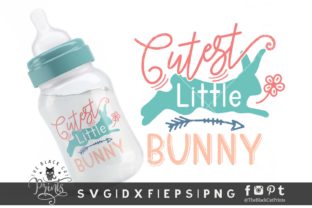
The visual personality of Cutest Little Bunny is undeniably cheerful. The layout suggests a design built for impact rather than intricate subtlety. For an embroidery project, this is often a good starting point. The shape appears bold enough to hold its own against various backgrounds without getting lost in the fabric weave. When I visualize this as a machine embroidery design, the lines seem thick enough to support a standard fill stitch without excessive gaps, which is crucial for maintaining the "cute" aesthetic. If the lines were too thin, the final result might look scratchy or incomplete, but the proportions here suggest a robust outline that will stand up well to wear and tear.
This design feels perfectly suited for holiday embroidery projects, specifically targeting the Easter market. It captures that specific blend of innocence and humor that parents love for nursery decor or family gatherings. The saying "Cutest Little Bunny" adds a textual element that anchors the graphic, making it a complete statement rather than just an isolated image. For a craft business owner, having the text integrated into the design saves time on layout adjustments, allowing you to move faster from concept to production.
Real-Life Application: From Hoop to Home
To truly understand the value of Cutest Little Bunny, let's imagine a real scenario. Picture yourself preparing a custom embroidered tote bag for a local craft fair. You have a sturdy canvas bag, and you need a design that pops. Placing this bunny on the front pocket or the center of the bag creates an instant focal point. The simplicity of the design means it won't overwhelm the bag's structure, yet it provides enough visual interest to draw customers in.
Now, consider a different application: baby embroidery. Imagine stitching this onto a soft cotton onesie or a receiving blanket. The rounded shapes of the bunny are forgiving on stretchy fabrics, which is a significant advantage. Unlike designs with sharp, angular corners that can distort when fabric stretches, the curves here should maintain their integrity. For an Etsy seller creating personalized gifts, this versatility is gold. You could easily adapt the thread colors to match a specific nursery theme—soft pastels for a traditional look or bright primaries for a modern twist.
I also see great potential for this as an embroidered patch. If you were producing patches for a boutique brand, the clean lines of Cutest Little Bunny would translate beautifully into a satin-stitched border. Patches require high contrast and clear definition, and this design offers exactly that. Whether applied to a denim jacket, a backpack, or a cap, the finished product would convey a sense of quality and fun.
Navigating Challenges: Where Caution Is Needed
While I am optimistic about this design, professional judgment requires acknowledging where it might struggle. One area to watch is stitch density. If the file includes very small details within the bunny's face or ears, they might become muddy if the density is too high. On textured fabrics like fleece or heavy canvas, fine details can get lost in the pile of the material. Always test the design on scrap fabric first to ensure the smallest elements remain crisp.
Another consideration is the hoop size. While the design looks compact, you must confirm the actual dimensions before committing to a project. If you are working on a curved surface like a baseball cap, the placement becomes critical. Embroidery on caps requires careful tension management; if the design is too large or dense, it can pucker the fabric, ruining the silhouette of the hat. For custom apparel made from thin or stretchy materials, using the right stabilizer is non-negotiable. Without adequate backing, the weight of the thread could cause the fabric to warp, distorting the cute expression of the bunny.
Dark fabrics present another challenge. If you plan to use this design on black sweatshirts or navy aprons, you will need to ensure there is sufficient underlay to make the lighter thread colors pop. A design that looks vibrant on white might appear flat on dark backgrounds if the color palette isn't adjusted. Always review your thread colors against the intended fabric texture before starting a batch production run.
Practical Notes for Designers and Makers
For those looking to incorporate Cutest Little Bunny into their workflow, here are some essential steps to ensure success:
- Test on Scrap Fabric: Never skip the test run. Stitch the design on a piece of the actual fabric you intend to use. Check for registration issues, especially between the fill stitch and any running stitch outlines.
- Verify Licensing: Before selling finished items or digital products, confirm the licensing terms. As a digital asset, understanding whether you can sell the physical goods or the file itself is crucial for your commercial embroidery plans.
- Mockup in Black and White: Create a printable mockup in grayscale to assess the contrast levels. This helps identify areas where the design might lack definition before you waste thread.
- Check File Compatibility: Although the source is an SVG vector cut file, ensure you have the correct embroidery file format for your machine. Converting formats can sometimes alter stitch paths, so verify the conversion is accurate.
- Consider the Audience: Think about who will receive this item. Is it a personalized gift for a child, or a small shop product for a broader audience? Adjust your thread choices and placement accordingly.
Final Verdict: A Valuable Asset for Spring Collections
In conclusion, Cutest Little Bunny stands out as a strong candidate for your spring and Easter collections. Its friendly demeanor and adaptable structure make it a versatile addition to any designer's library. Whether you are creating handmade products for a boutique, fulfilling custom orders for clients, or building inventory for your online store, this design offers a reliable way to add charm to your work.
The key to success lies in preparation. By respecting the limitations of your equipment, choosing the right stabilizers, and testing thoroughly, you can transform this digital graphic into a high-quality, cherished item. For the creative entrepreneur, having assets like this that balance aesthetic appeal with technical feasibility is the difference between a hobby and a thriving craft business. With careful execution, Cutest Little Bunny is sure to bring smiles to your customers and add a touch of seasonal joy to their wardrobes and homes.