I React Therefore I Am Chemistry Art Review
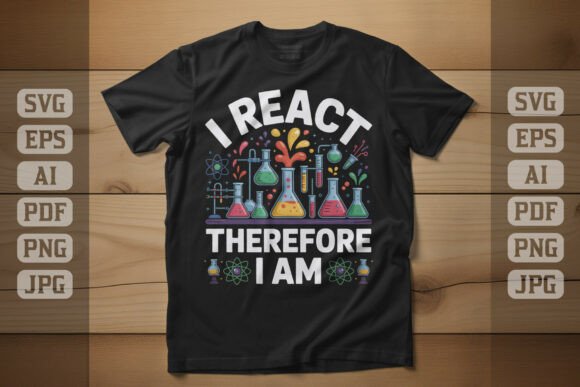
As a designer who has spent years translating digital files into tangible thread, I approach every new machine embroidery design with a mix of excitement and caution. The phrase "I React Therefore I Am" is a clever play on Descartes that immediately signals a specific audience: the science enthusiasts, the lab technicians, and the students who wear their passion for chemistry on their sleeves. When evaluating I React Therefore I Am Chemistry Art, my goal isn't just to see if it looks good on a screen, but to determine how it behaves under the needle in a real-world scenario.
First Impressions: Visual Weight and Theme
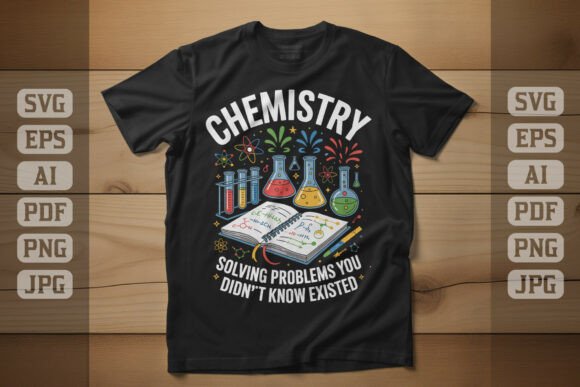
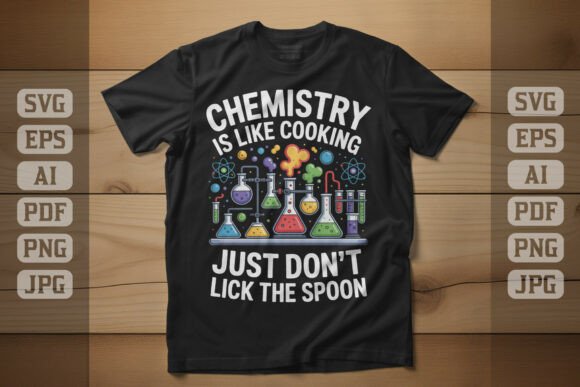
The initial look at this Graphics file reveals a layout that balances typography with scientific iconography. It feels less like a generic clip art piece and more like a badge of honor for the laboratory life. The visual personality is bold yet intellectual. For an Etsy seller or a small shop owner looking to curate a niche collection, this design offers immediate recognition. It doesn't scream; it whispers knowledge. However, the true test comes when we move from the monitor to the hoop.
In my mind, I am already visualizing this as a sweatshirt embroidery project. Imagine a heavy-weight heather grey crewneck. The contrast between the dark thread and the fabric would make the text pop, while the chemical symbols would add texture without overwhelming the garment. This is the kind of custom apparel that turns heads at a craft fair or a university campus. The mood is celebratory, honoring the dedication of those working in the lab, which makes it a perfect candidate for personalized gifts for professors, grad students, or curious hobbyists.
Real-World Application: From Tote Bags to Patches
Let's talk about where I React Therefore I Am Chemistry Art truly shines. While it fits well within the category of T-Shirt Designs, its versatility extends far beyond cotton jersey. I can see this working beautifully as a tote bag design. Canvas holds stitch density exceptionally well, allowing the finer details of the chemical structures to remain crisp after multiple washes. A sturdy canvas tote with this design becomes a practical, reusable statement piece for grocery runs or carrying lab equipment.
Another strong use case is the embroidered patch. If you are creating a line of collectible patches for science clubs or corporate swag, this design translates perfectly. The defined edges and clear separation between elements ensure that when you cut away the excess stabilizer, the final product looks professional and durable. It also works well for apron customization. Picture a white chef-style apron worn by a home brewer or a chemistry teacher; the design adds a touch of humor and expertise to a functional garment.
For those focusing on holiday embroidery, this could be a unique gift for the holidays. Instead of a standard ornament, imagine this stitched onto a small pillow cover or a kitchen towel for a science-loving friend. The design assets here are robust enough to handle the transition from a large format to smaller home decor items, provided you manage the scale correctly.
Navigating Technical Challenges and Fabric Choices
While the design is strong, there are areas where an experienced embroiderer needs to exercise care. The interplay between text and graphics means that stitch density varies across the file. In the areas where chemical bonds meet lettering, you must ensure your machine doesn't bunch up the thread. If the density is too high, the fabric may pucker, ruining the clean lines of the design.
Fabric choice is critical. On stretchy fabric like thin jersey or spandex blends, the tension required for this level of detail might cause distortion. I would strongly advise using a tear-away or cut-away stabilizer that matches the weight of the material. For textured fabrics like denim or fleece, the running stitch and fill stitch need to be adjusted slightly to account for the uneven surface. Without proper backing, the fine lines of the chemical formulas could get lost in the nap of the fabric.
Be cautious with small hoop sizes. If you attempt to shrink this design down to fit a 4x4 inch hoop, the tiny lettering and intricate bond angles may become illegible. The digital embroidery file needs to maintain a certain minimum size to preserve its clarity. Similarly, on curved surfaces like caps, the layout might need to be rotated or simplified to follow the curve of the brim without distorting the text.
Color Contrast and Visibility
When selecting thread colors, think about visibility against different backgrounds. On a black t-shirt, a neon green or bright yellow fill stitch will make the design stand out aggressively, fitting the "science lab" aesthetic. However, on a light beige or cream background, a deep navy or charcoal gray might offer a more sophisticated, academic look. Always create a printable mockup in both light and dark scenarios before committing to a bulk run. This helps you predict how the finished product will appear to the customer.
Practical Designer Notes for Success
Before you commit to selling these as handmade products or offering them as a service, run a test on scrap fabric. This step is non-negotiable. Check how the satins stitch handles the curves of the letters and whether the fill stitch covers the background evenly without showing gaps. Inspect the small details closely; sometimes what looks perfect on the screen results in a thread break or a skipped stitch on the machine.
Also, verify the licensing terms for this embroidery file. As a craft business owner, you need to know if you can sell the finished embroidered items or if the license restricts you to personal use only. Many designers allow commercial use of the physical goods but prohibit reselling the digital file itself. Confirming this protects your small shop product line from legal issues down the road.
Finally, consider the end-user experience. Will this design survive frequent washing? If you are making baby embroidery items or clothing for active students, the durability of the stitches matters. Ensure the back of the embroidery is clean and free of loose threads that could irritate skin or snag on other items.
Final Verdict on Brand Value
I React Therefore I Am Chemistry Art is more than just a cute quote; it is a conversation starter. It adds significant value to any commercial embroidery project by targeting a passionate demographic. Whether used for a boutique brand, a personalized gift, or a custom order, the design conveys professionalism and wit. By paying attention to hoop size, stabilizer choice, and fabric texture, you can turn this digital asset into a high-quality physical product that customers will love wearing and displaying. It is a solid addition to any portfolio of science-themed design assets, ready to bring a spark of creativity to the next generation of lab coats and casual wear.