Kwanzaa Sublimation Design Review
As a designer who has spent years navigating the intersection of digital art and physical thread, I approach every new asset with a critical eye. When I first encountered the Kwanzaa Sublimation Design, my immediate thought was about how this vibrant graphic would translate from a screen to a tangible, stitched reality. While the product is explicitly marketed as a sublimation and printable asset, its strong visual identity makes it a compelling candidate for adaptation into embroidery projects, provided you understand the nuances of converting high-resolution graphics into stitch files.
First Impressions: Visual Weight and Holiday Spirit
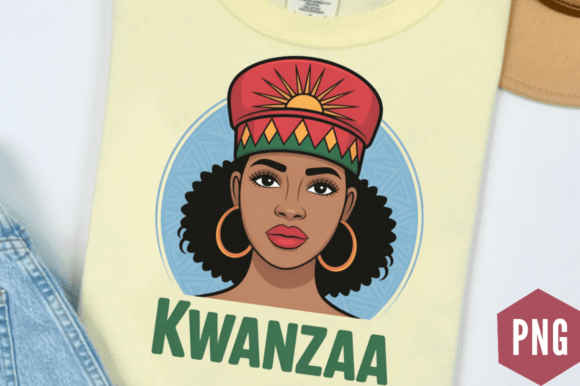
The Kwanzaa Sublimation Design carries an undeniable energy. The layout is bold, utilizing the traditional colors of Kwanzaa—red, black, and green—to create a striking contrast that immediately catches the eye. In a digital format, specifically a 300 DPI PNG with a transparent background, the lines are crisp and the shapes are well-defined. However, when I imagine this as an embroidery project, I am assessing how those sharp edges will hold up under needle pressure.
For a small business owner or an Etsy seller looking to expand their holiday collection, the mood this design evokes is celebratory and culturally rich. It feels like a piece meant for center stage on a sweatshirt or a large tote bag. The visual personality is loud and proud, which is perfect for custom apparel where the message needs to be seen from a distance. If you are planning a boutique product line for the season, this Graphics file offers a solid foundation, but it requires careful handling to maintain its integrity in thread.
Real-World Application: From Screen to Stitch
Let’s talk about a real scenario. Imagine you are preparing a custom embroidered tote bag for a local community event celebrating Kwanzaa. You want the design to pop against a natural canvas background. The Kwanzaa Sublimation Design works beautifully here because the shapes are distinct enough to be digitized into clean fill stitches without becoming muddy.
In this context, the design functions as a centerpiece. On a sweatshirt, the placement would likely be on the back or a large chest area. Because the original file is high resolution, you have the freedom to scale it up significantly without losing detail. This is crucial for commercial embroidery projects where size matters. A large-scale application allows you to use varied thread colors effectively, perhaps using satin stitches for the outlines to give them a glossy finish while keeping the interior areas in a dense fill stitch for coverage.
However, if you were attempting this on a baby item or a small cap, you would need to exercise caution. The intricate details that look great at full size can become problematic in smaller hoop sizes. For a baby onesie, you might need to simplify the design, removing tiny decorative accents to ensure the stitch density remains breathable and the fabric doesn't pucker. The goal is always to preserve the spirit of the design while respecting the limitations of the medium.
Navigating Challenges: Fabric and Detail
Not every surface is created equal. When working with the Kwanzaa Sublimation Design, you must consider the texture of your base material. On smooth fabrics like cotton twill or polyester blends, the design will stitch cleanly. But on textured fabrics, such as heavy fleece or linen, the fine lines might get lost. In these cases, increasing the thickness of the outline stitches or simplifying the internal patterns becomes necessary.
Stretchy fabrics present another challenge. If you are applying this to a jersey t-shirt, the tension from the stitching combined with the stretch of the fabric can distort the image. Using a proper stabilizer is non-negotiable here. Without it, the vibrant colors and geometric shapes could warp after just a few washes. Similarly, dark fabrics require a different approach. Since the original design relies on specific color contrasts, placing it on a dark garment might require a backing layer of white thread or a light-colored underlay to make the reds and greens truly shine.
One area to watch closely is the corners and tight curves. In a digital PNG, a curve is perfect. In thread, it requires precise digitizing to avoid jagged edges. If you are creating an embroidered patch from this design, ensure that the border is thick enough to withstand trimming and wear. For products that need frequent washing, like kitchen towels or aprons, check the hoop size and stitch count to ensure the design isn't too dense, which could cause cracking over time.
Practical Designer Notes for Success
Before committing to a production run, I always recommend testing the design on scrap fabric first. Even though the Kwanzaa Sublimation Design is a high-quality digital download, the transition to thread is where the magic—or the disaster—happens. Here are a few practical steps to ensure your finished product looks professional:
- Test the Contrast: Review how the red, black, and green interact on different fabric backgrounds. What looks good on a white mockup might clash on heather grey.
- Check Stitch Density: Ensure the fill stitches aren't so tight that they stiffen the fabric, especially for wearable items like hats or collars.
- Verify Licensing: The product description states that commercial use is allowed, which is excellent for craft business owners. However, always confirm the specific terms regarding selling the finished embroidered items versus reselling the digital file itself.
- Mockup First: Create both black and white and color mockups to see how the design reads without the distraction of color. This helps you spot any balance issues in the layout.
- Stabilizer Selection: Match your stabilizer to the fabric weight. A tear-away might suffice for a T-shirt, but a cut-away is better for stretchy materials.
Building Value and Trust Through Quality
Ultimately, the value of a handmade product lies in its execution. Using a well-chosen asset like the Kwanzaa Sublimation Design can elevate your brand consistency and customer trust. When customers see a personalized gift that is neatly stitched, vibrant, and durable, they perceive higher quality. This translates directly to better reviews and repeat business for your small shop.
Whether you are creating holiday gifts, wedding favors, or merchandise for a craft fair, the attention to detail in your embroidery speaks volumes. By understanding how to adapt this digital graphic into a physical machine embroidery design, you ensure that the cultural significance and artistic beauty of Kwanzaa are honored in every stitch. Remember, the best designs are not just about the image; they are about how that image lives on the fabric, moves with the wearer, and stands the test of time.