Funny Llama: A Designer's Review for Real Embroidery Projects
As a designer who has spent years navigating the intersection of digital graphics and physical stitching, I approach every new asset with a critical eye. The market is flooded with generic vectors that look great on a screen but fall apart under a needle. When I first opened the Funny Llama file, I wasn't just looking at a cute animal; I was evaluating its potential as a commercial embroidery design. Does it hold up when translated from pixels to thread? Can it survive the rigors of a small business workflow? Here is my honest assessment based on how this specific graphic translates into real-world craft products.
The First Impression: Personality Meets Practicality
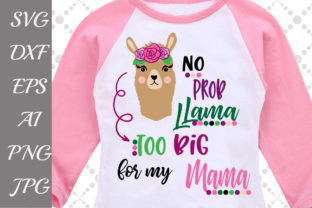
The immediate appeal of Funny Llama lies in its character. In the world of custom apparel and handmade goods, personality sells. This design captures a whimsical mood that resonates well with current trends in nursery decor and boutique merchandise. The layout is balanced, avoiding the trap of being too cluttered or too sparse. For an embroidery project, balance is everything because uneven weight distribution can lead to puckering on fabric.
Visually, the shape suggests a strong silhouette, which is crucial for machine embroidery. When you are converting a Graphics file into a stitch file, clean lines are your best friend. The details in the llama's face and body appear distinct enough to be rendered clearly without requiring microscopic thread work that would likely get lost on textured fabrics. This makes it a versatile candidate for both simple running stitches and more complex fill patterns.
Testing the Waters: A Real-World Tote Bag Scenario
To truly understand the value of this design, let's imagine a specific use case. Picture yourself preparing a line of custom tote bags for an upcoming craft fair. You need something that pops against natural canvas but remains legible from a distance. I visualized placing the Funny Llama design on the front center of a 14x18 inch cotton tote.
In this scenario, the design works exceptionally well. The humor inherent in the image invites engagement, making it a perfect conversation starter. If you were selling these as a handmade product, customers would immediately recognize the effort put into the selection. Unlike generic floral motifs that blend into the background, a funny animal creates a focal point. However, the success here depends heavily on the stitch density. If the fill stitch is too dense, the canvas might pucker around the edges of the llama's ears. If it is too loose, the design will lack definition. Before committing to a full production run, I would always recommend testing the design on scrap fabric first to dial in the tension and density settings.
Performance Across Different Fabrics and Products
The versatility of Funny Llama extends beyond tote bags. Let's consider sweatshirt embroidery. Fleece and heavy cotton blends are forgiving, but they require a robust design. The bold lines of this graphic suggest it would handle the thickness of a hoodie well, provided you use a cutaway stabilizer to support the back of the fabric. The contrast between the bright thread colors typically associated with such a fun design and a dark charcoal sweatshirt would create a striking visual effect.
On the other end of the spectrum, we have delicate items like baby embroidery. Here, caution is required. While the theme is adorable for a onesie or a bib, the size of the hoop becomes a limiting factor. You must ensure that the smallest details do not shrink below the resolution of the thread. Tiny eyes or intricate whiskers can turn into blobs if the hoop size is too small. For baby items, I would suggest scaling the design down slightly and simplifying any fine details to ensure safety and comfort against sensitive skin.
For embroidered patch creation, this design shines. Patches allow for higher density and more vibrant color blocking. The Funny Llama graphic has the structural integrity to be backed with felt or twill, creating a durable accessory that can be sewn onto denim jackets or backpacks. This opens up a revenue stream for Etsy sellers looking to expand their inventory beyond clothing into accessories.
Where Caution Is Required
No design is universal, and Funny Llama is no exception. There are specific situations where this machine embroidery design requires careful handling:
- Textured Fabrics: On linen or boucle, the fine details of the llama's expression might get lost in the weave. Stick to smoother fabrics for maximum clarity.
- Stretchy Materials: Knits and jersey fabrics move. Without the right stabilizer, the design could distort after washing. Always test wash a sample before selling.
- Curved Surfaces: Placing this on a cap requires digitizing adjustments. The flat vector format included (SVG, DXF, AI, EPS) needs to be converted carefully to account for the curve of the brim.
- Dense Stitch Areas: Avoid over-stitching the darker areas of the design on thin materials, as this can cause the fabric to tear or become stiff.
Impact on Brand Value and Customer Trust
When you sell a finished product, the quality of the design directly impacts customer trust. A poorly executed embroidery job looks amateurish and can damage your reputation as a small shop owner. Conversely, a crisp, well-placed Funny Llama motif signals professionalism. It shows that you care about the aesthetic and durability of your items.
This design also enhances the giftability of your products. People love buying unique, personalized gifts. Whether it is a holiday card, a wrapping paper print, or a customized apron, the humor of the llama adds an emotional connection. Customers aren't just buying a shirt; they are buying a smile. This emotional resonance is what drives repeat business and positive reviews on platforms like Etsy.
Practical Notes for the Digital Creator
Before you integrate Funny Llama into your workflow, there are technical steps you must take. The product description lists formats including SVG, DXF, AI, EPS, PNG, and JPG. These are excellent for Crafts involving printing, sublimation, or cutting machines. However, for actual stitching, you need a compatible digital embroidery file format (such as PES, DST, or JEF).
If the package does not explicitly include a stitched-ready file, you will need to digitize it yourself or hire a professional. Do not assume a vector file will automatically stitch correctly. The transition from vector paths to stitch commands involves complex decisions regarding pull compensation, underlay, and trims.
Always check the licensing terms. As a commercial embroidery user, you need to confirm whether you are allowed to sell the finished items or if the license restricts you to personal use only. Never assume; read the fine print. Additionally, create printable mockups to visualize how the design looks on different backgrounds. Compare light and dark fabric scenarios to ensure the thread colors you choose offer sufficient contrast.
Final Verdict
The Funny Llama design is a strong contender for any crafter looking to add some joy to their portfolio. Its clear lines, engaging personality, and adaptable shape make it suitable for a wide range of applications, from custom apparel to home decor. However, its success relies on your attention to detail during the preparation phase. By respecting the limitations of different fabrics, choosing the right stabilizer, and verifying your licensing, you can transform this graphic into a high-quality, profitable product.
For the serious maker, this isn't just a picture; it is an opportunity to elevate your brand. Use it wisely, test thoroughly, and watch as your customers react to the charm of this delightful design.